



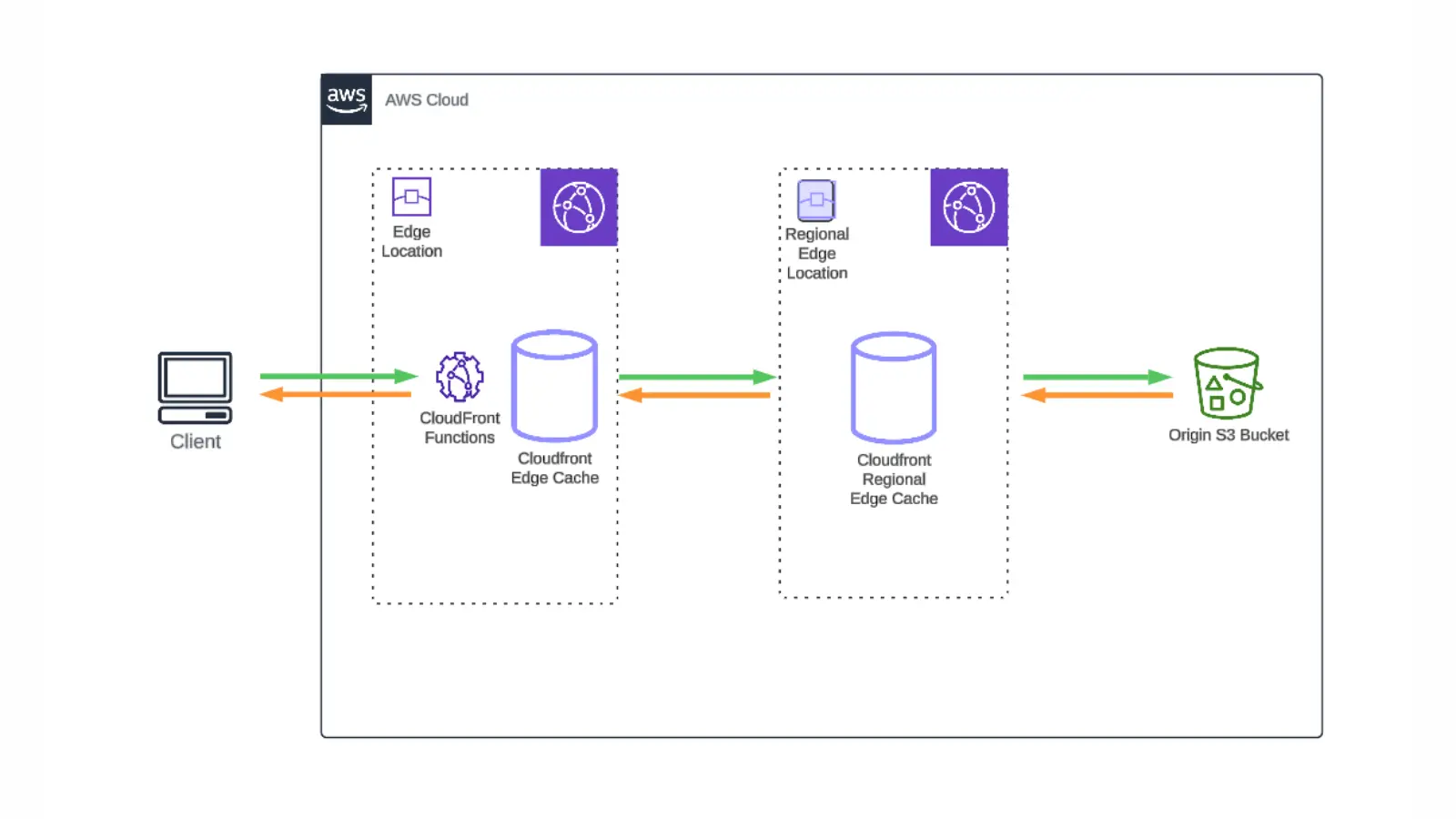
The AWS Cobalt Redirector is a tool designed to streamline the deployment of a command-and-control (C2) infrastructure for red team operations using AWS services.
It leverages Terraform and Ansible for automation and integrates AWS resources like CloudFront, Lambda, and EC2 to create a robust redirector setup.
Functionality
The AWS Cobalt Redirector simplifies the process of deploying a redirector for Cobalt Strike, a popular red teaming tool.
The redirector acts as an intermediary between the attacker’s team server and the target systems, obfuscating traffic and enhancing operational security. The setup uses:
- AWS CloudFront: A content delivery network (CDN) that masks the origin of traffic.
- AWS Lambda: A serverless compute service that processes incoming HTTP requests and forwards them to the team server.
- AWS EC2: Hosts the Cobalt Strike team server.
The Lambda function is configured to consume minimal resources (125 MB memory), ensuring cost-effectiveness during operations.
- Configure variables in the
terraform.tfvarsfile. - Deploy infrastructure using Terraform.
- Update the Ansible inventory with the host details (
ansible/inventory/hosts.yml). - Place your Cobalt Strike archive (
cobaltstrike.tgz) inansible/roles/cobaltstrike/files/. - Add your malleable profile file to
ansible/roles/cobaltstrike/files/. - Define mandatory variables in
ansible/inventory/redteam.yml. - Execute the playbook
playbook/cobaltstrike.ymlto finalize the setup.
Once completed, this automated process deploys a fully functional redirector infrastructure.
- Automation: The use of Terraform and Ansible ensures rapid and error-free deployment.
- Obfuscation: CloudFront and Lambda add layers of redirection, making it harder to trace back to the team server.
- Scalability: AWS services provide flexibility to scale resources as needed.
This tool is particularly valuable for red teams seeking efficient, secure, and scalable C2 infrastructure without manual configuration complexities.


.jpg "How UDP Works and Why It Is So Fast")


 infrastructure for red team)